 Hi, I'm Palipilino!

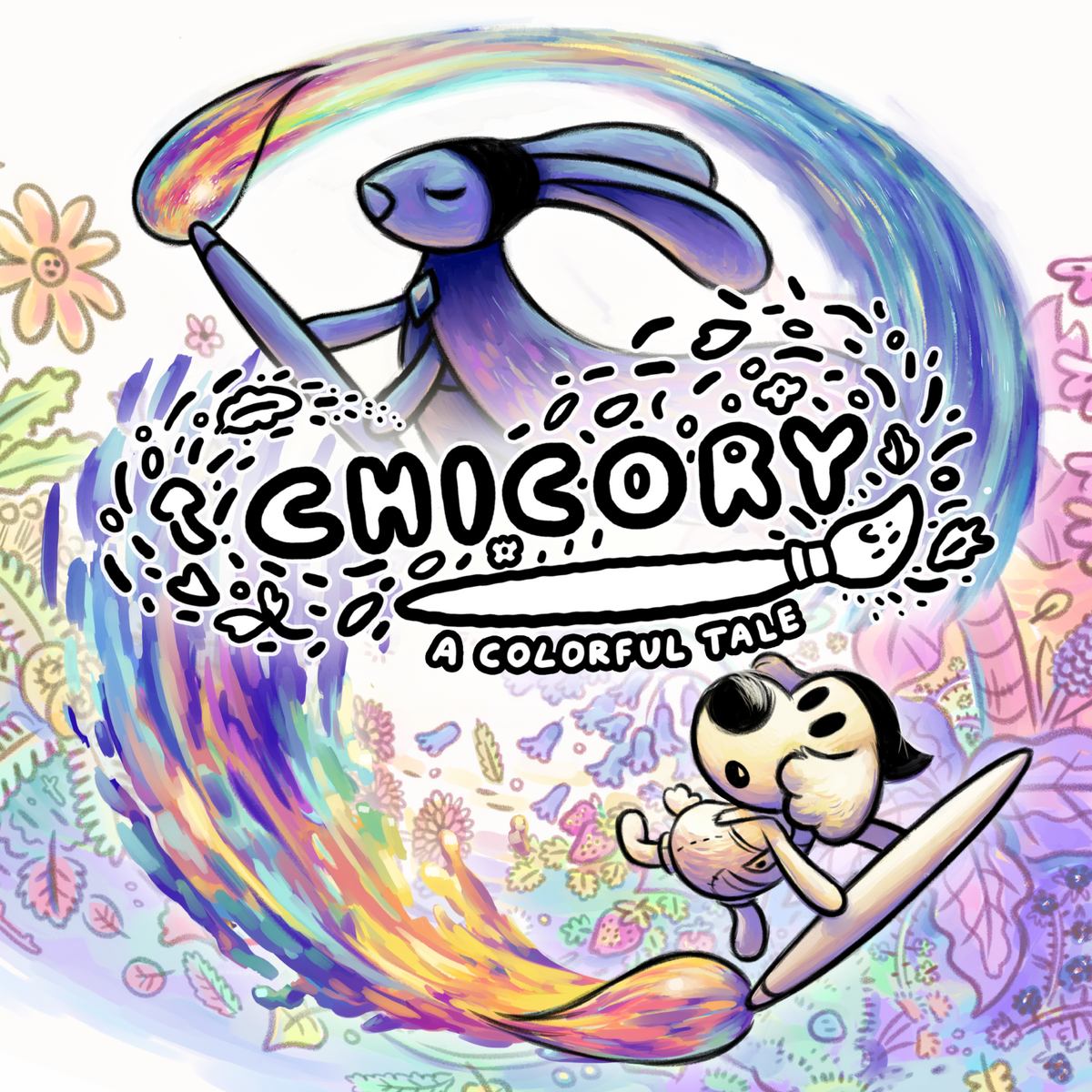



Nintendo Switch
5/3/2025
It is a universal experience for creatives to, from time to time, observe the work of someone they admire or someone who has been very influential on them and think to themselves, "I wish I could make something like that." It's inevitable that those who create something will often be that creation's harshest critic, and in moderation, this can be helpful in identifying areas to focus and improve on. What some folks struggle with, though, is relating those feelings to an artist they really admire. "If I could make something as good as that, I'll feel like a success," those thoughts from above might continue.
But why should those universal feelings of self-doubt recede once you've reached a certain level of acclaim or renown? It can be hard for some to understand. "Yeah, but they're the best!" some might argue. And while it seems like these comments come from a place of praise, they can only be more alienating for those who struggle to find a sense of satisfaction with their work. It's a common phenomenon, and perhaps with more games like Chicory: A Colorful Tale, it's one that will be replaced with a trend towards empathy and understanding.
It's not something that is immediately apparent. In Chicory, you control a dog (named Pizza by default) who carries around a magic paintbrush and uses it to solve puzzles and color back in the black & white world. It's one part adventure, one part coloring book.
| Played For | 11h 43m |
|---|---|
| Completion Type | Full Map, All Kids, 88.48% Completion |
| Favorite Color Pallette | Supper Woods |
| Favorite Character | Peppermint! |
All the characters are named after foods, you can collect different pieces of wardrobe from hidden gift boxes, and the soundtrack—fully composed by Lena Raine—is as delightfully peppy as you might expect. It's cute. Scratch that—it's downright adorable.
Chicory works best because it constantly makes the drawing feel like a core focus of what you should be doing, as opposed to a gimmick for puzzle solving and exploration. (In fact, if Chicory's magic brush has a flaw, it's that it could have used a bit more gameplay integration.) But there are dozens of opportunities to engage in optional content that, perhaps in other games, might appeal to only completionists but feel completely natural here. It never feels like a waste of time to just sit back and paint.
Each area of the map has its own limited color palette, which is a simple yet ingenious way of giving each part of the map its own identity while also making sure you never fall into the routine of using the same few colors everywhere you go. And as with many of the great adventure games, skill upgrades allow you to re-explore parts of the map you couldn't previously, keeping most areas relevant for the entire game.
Of course, there'd be no need for that preamble if all Chicory was was a cute coloring book. The whole reason the world is black and white in the first place is because Chicory (the eponymous wielder of the magic brush at the game's beginning) descends into a deep state of depression and self-doubt. And while it's fun to color the world back in, your main goal is to stop the darkness that seems to be stemming from her. This is by way of, firstly, some surprisingly epic boss fights—who would have thought?—that are so out of left field that they'll have you begging for more. And secondly, by fulfilling some trials, which unfortunately play it pretty safe with what they expect of you and tend to drag the pacing of the game's second half somewhat.
It's also, admittedly, a bit heavy-handed sometimes. But Chicory is an altogether deeply moving and affecting tale. It captures the burden of an artist in a way perhaps no other game has before—perhaps in a way that not many games have even tried. The game's small, gentlest moments feel...real. And while some may struggle to identify with the Chicorys of the world, playing as Pizza—becoming the new wielder—goes a long way in communicating it.
Those little tasks that others will ask you for? People expect things from you now. It's a constant pressure of trying to live up to something, anything—the legacy of those who came before or your own past work that you worry you'll never surpass.
Chicory: A Colorful Tale is consistently empathetic to the weight of being a creative in a world that is constantly exploiting them, where personal projects feel like they're going nowhere, and when it feels like one can never do enough. It doesn't pretend to have all the answers. But it acts with kindness and treats us with sincerity. And this is where Chicory can help us; where we can help each other. Playing this game with a controller, for example, will make it hard to be precise with your coloring.
You'll probably find yourself secretly wishing you could have made it better. These quiet moments allow Chicory to fully demonstrate its value. Sometimes, random characters will appear on a screen and mention to you that they like how you've painted it. "This? But it looks terrible. I've seen Chicory's work; it probably looked much better before," you might catch yourself thinking.
The moment that Chicory: A Colorful Tale has been leading up to, paid off beautifully in a brief, pivotal moment of understanding.