 Hi, I'm Palipilino!



PC
2/16/2026
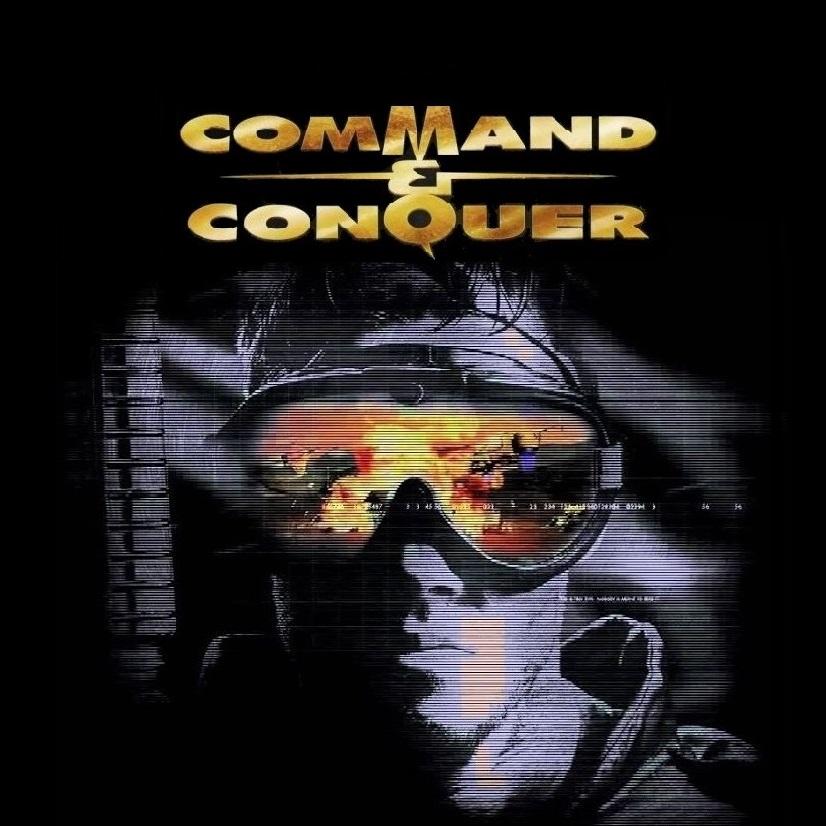
After Westwood Studios helped launch the real-time strategy genre thoroughly into the mainstream with Dune II, there was a desire at the studio to build on that foundation in their next title, this time with an original IP, with the goal of "building the ultimate RTS. " The result of these labors was Command & Conquer, a very successful 1995 title that helped to further define what the general populace envisioned when they imagined an RTS game.
It dazzled users with its FMV cutscenes (which were, of course, the pinnacle of technology at the time) and faux-advanced military computer graphics. It lives in the hearts and minds of many who experienced the RTS at its inception and grew up alongside it. Its existence now, though, even in spite of a recent remaster, is more as a historical time capsule than as a fully competent, fully featured testament to its genre.
A cynical take on the previous paragraph might have read the allusions to FMV cutscenes and futuristic-looking computer tech as derogatory, but don't be mistaken; Command & Conquer lives through its presentation and personality. This game provided a blueprint for what would be an unmistakable core tenant of the series, and anyone familiar with it would be able to clock an FMV cutscene in 0.7 seconds flat as "Hey, I bet that's from C&C." The story they are providing is mostly generic or irrelevant, but that's not the point. It's campy, it's fun, it's iconic.
| Played For | 12h 24m |
|---|---|
| Completion Type | GDI, Nod Campaigns On Normal |
| Least Favorite Class | I Hate Flamethrower Units!! |
| Fun & True Fact | This game is a Citizen Kane prequel! |
Special mention should, naturally, be given to Kane, the enigmatic leader of the Nod Brotherhood, who makes the most with his little time on screen to deliver what is, genuinely, an incredibly memorable performance. Even the way the game boots up is thematically fascinating—first-time installs will make your computer look like it's installing some kind of super-advanced military software. It is completely irrelevant to the actual gameplay, and it wasn't needed...but the game's overall atmosphere is improved significantly because of it.
Okay, but what about the actual game? Well, it's extremely simplistic, for one. Command & Conquer is what you might refer to as a "solved" video game, the same way tic-tac-toe or checkers is. There are only two armies to choose from, their options are both limited, and each one has a definitive best strategy that you want to execute before your opponent does theirs. This is largely thanks to the game's single resource, Tiberium, which your entire economy relies upon. Simple doesn't mean bad, in any case, and C&C is a good example of what an early-era, less involved RTS game looks like and could potentially serve as an acceptable introduction to the ideas of the genre without the complexities that have become second nature to later examples.
It's nice that this game includes two campaign settings, giving you the chance to get familiar with each army's tactics, and that both campaigns are relatively well-balanced in terms of their difficulty curves, introducing key elements of gameplay over time without overwhelming the player. The fact that you can only generate one unit at a time innately makes...well, base building, at least, a lot less micro-management focused than some of its competitors, though it also means that you'll be doing a lot of waiting around and waiting for your harvester to return.
It all pretty much falls apart once you produce some units, though. Pathfinding in Command & Conquer is...awful. Trying to move a group of units is like watching a herd of mice trying to navigate an invisible maze. Moving them any greater distance than a few meters will have them going on a grand pilgrimage to Santiago de Compostela before they end up where you want them to...assuming, of course, they aren't gunned down for wandering into the enemy's base first. While base building and resource gathering are largely simplified, controlling units effectively requires a precision that, well, let's just say it's not very introductory friendly.
A lot of folks will label Command & Conquer as a game that has not aged well. It's a bit unfair; the RTS genre would likely not have grown quite as it did without C&C's existence. It's more that it's been expanded on and improved in ways that make it seem comparatively sparse. Sure, we know now what we expect from an RTS game, but a lot of those creature comforts were only conceptualized as a result of Westwood and C&C's mainstream popularity.
Now, even back when this game was new, did the fame of the game's developer and the over-the-top non-gameplay presentation probably help sell it just as much as the actual, somewhat bland gameplay? Probably, yeah. But it worked! And it helped establish Command & Conquer as a leader in the RTS scene for quite a while. That's something you can always admire and respect about it...all while you, you know, probably go and play a better game.