 Hi, I'm Palipilino!



Xbox
7/22/2025
Before the Elder Scrolls series, Bethesda's development history had been mostly made up of a myriad of one-off action games and annual sports titles. Their 1992 release of the first Elder Scrolls title, Arena, didn't so much represent a sharp turn in their development strategy but rather heralded a change in trajectory for the company that would take another decade to fully realize. In 2001, the development unit of Bethesda was separated from the publishing side, creating Bethesda Game Studios.
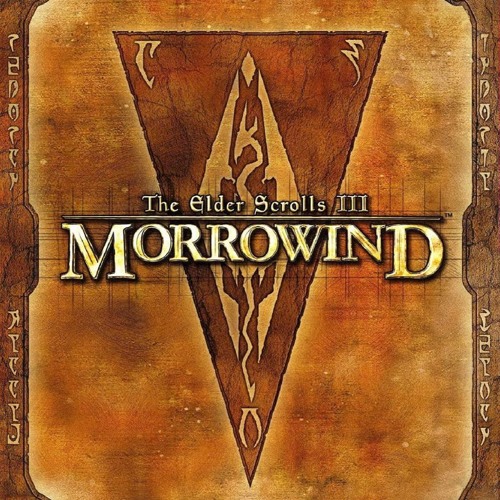
Their first title? The highly anticipated Elder Scrolls III: Morrowind, and the first one to reach the home console market on the Xbox after two PC exclusives. The first two TES titles were no slouches; Daggerfall was Bethesda's most successful game at the time, selling nearly a million copies. (An impressive feat for a PC title in the 90s, for sure.) But Morrowind would reach hitherto unseen levels of success for the company and cement both the developer and the series as how they are known today.
The absolute definitive feature of Morrowind is the game's flexibility in approach; Morrowind recreates the feeling of a pen-and-paper RPG in both quality and consistency. Right from your character's creation, you are able (and encouraged) to take time for exploration, learn more about the land and its people, and gain experience from both conversation and battle. Your adventure is truly unbridled, aided most by Morrowind's lack of actual direction. Towns only appear on your map when someone would have told you about them, quest directions are given by way of verbal instruction, and there are no quest markers or compass to point you to where you need to be. And it works out perfectly, because you don't need to be anywhere.
| Played For | 61h 12m |
|---|---|
| Completion Type | Archmage, House Hlallu Leader, Nereverine |
| Favorite Combat Style | Magic |
| Character Type | Breton Mage, Atronach |
| Fun Fact | I didn't know what "Stunted Magicka" meant! Whoops! |
Vvardenfell is a harsh, confusing, mountainous land, and it's appropriate that this weird, off-putting locale is the setting for a game that will have you double-checking your journal at every road intersection. The game has a deliberate obtuseness to it that was certainly novel to console RPG players at the time but has, if anything, become even more unique over time. It has the capacity to bewilder even the most veteran of gaming enthusiasts and touches on that childlike sense of wonder and intrigue that is rarely reached.
Your first few hours of Morrowind are likely to be spent semi-aimlessly wandering the plains, stumbling into any caves or hideouts you can find, and getting humbled by a cliff racer. These moments when you're learning how Morrowind works are truly a joy, every successful interaction or battle feeling like a mighty victory. Heck, even following someone's directions to get to someone's house can be a pretty satisfying task.
With Morrowind's do-what-you-like nature, it was inevitable that the game's main story would take more of a backseat to the gameplay, but it still delivers a solid enough narrative skeleton to return to whenever you feel like progressing it. But again, the main story—one or two cutscenes aside—is barely distinguishable from most of the game's other sidequests, so infused with the land's history and the story of its people. Even a passive observer, sticking strictly to the main plot, will likely find themselves asking questions whose answers can only be found in the depths of a long-forgotten tome.
Morrowind has a pretty simple combat and spell system, and while it is comprehensive in what you can do with it, most of what that amounts to is the ability to make your character as broken as possible in a very short amount of time. The only barrier to being the strongest thing on Vvardenfell is your assumed lack of knowledge of the game's systems; that's why it's more fun discovering than putting your skills into practice. Battling is simple, and you'll probably be far too strong to be worried about anything by the time you finally decide to finish the main quest, but it has a sort of early 2000s "dice roll based hit" jank to it that can make it oddly appealing.
Much more janky and much less appealing is the game's incredible number of bugs, glitches, or otherwise poor performance. You're bound to notice at least a few, and while the game looks great on an Xbox, it might not have been worth the dozen or so crashes you are guaranteed to experience, especially as you progress towards the later game. It's recommended you save early and save often.
You might have expected that from a Bethesda title, though, and if you can live with it (or secure a more stable version of the game), Morrowind is an absolute joy to behold that has lost nary a step to many of its modern colleagues. It evokes the spirit of adventure in a way that not many RPGs can match, and your ability to do, well, basically whatever you want is what makes it such an iconic title. For a fantasy title with magic, demons, and zombies, it's a decidedly grounded experience, content to let you figure the world out. And despite its foreboding nature, Morrowind is so often a world worth seeing for yourself.