 Hi, I'm Palipilino!



PlayStation
2/19/2025
The early development history of Japanese studio Game Arts is about as inconsistent and varied as you'd expect of a developer that started life as a computer software company. By the mid-90s, they had releases spanning a myriad of genres and systems, from mahjong Japanese home computer titles to action RPGs on the Famicom and Mega Drive. They'd find their best success yet on the Sega CD with the Lunar series—a pair of JRPG games that were both commercially and critically successful, especially in Japan.
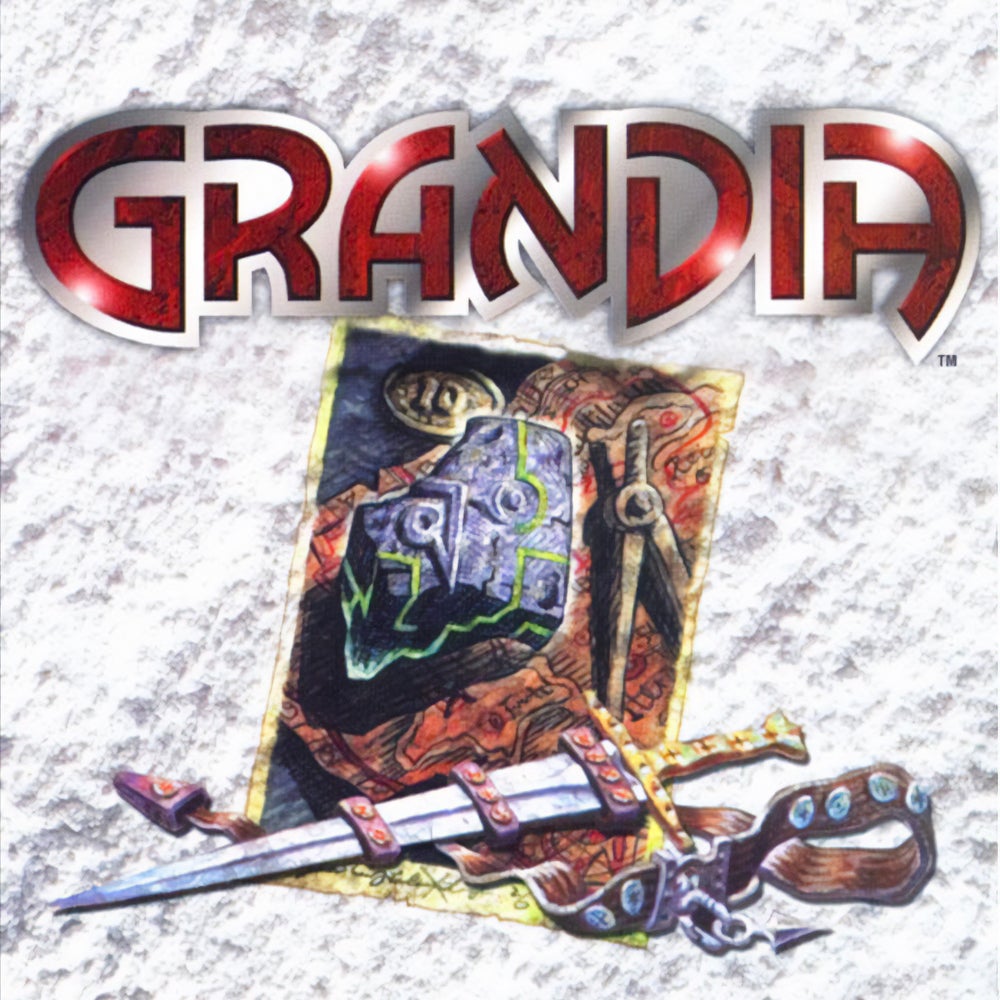
But worldwide, they're probably best known for—well, aside from their unlikely co-development of Super Smash Bros. Brawl—the Grandia series, which also started on Sega hardware before reaching western shores on the PlayStation. And in its first entry, Grandia demonstrated both the most excellent and the most mundane elements of the 5th generation RPG.
One thing you'll probably notice straight away is Grandia's laid-back, youthful energy; your first few hours in the starting town of Parm are spent playing hide-and-seek and visiting a museum. In that way, it immediately bucks the trend of many of its RPG contemporaries by forgoing the "in media res epic action scene" that many others chose to start with. Grandia establishes its low-stakes tone early on, and it's crucial to what makes the game so charming, especially in Disk 1. The premise is very simple—the plot's main driver is Justin's ambition to just go on an adventure—but instead of feeling generic or uninspired, Grandia distinguishes itself with its willingness to take its time and commit to its characters.
| Played For | 48h 12m |
|---|---|
| Completion Type | Party @ Lvl 35, All Justin's Moves Unlocked |
| Favorite Character | Feena |
| Fun Fact | Ignore the rating, this is the best game ever made |
| Fun Fact | I Love Grandia More Than Life Itself |
| Grandia Fact | Grandia Grandia Grandia |
There's no rush to jump into action here, and the world-ending threat you end up facing is not even revealed until pretty late in the game. This does mean some sections of the story might feel a bit slow or dragged out, but it also leads to some incredibly touching moments that only work because of the time the game allows to set them up. Likewise, its themes of humanity and universal connection are not necessarily revolutionary, but they're integrated into Grandia in such a genuine way that it's impossible not to be taken in by it.
This is complemented by some impressive visual design and an inspiring score—the main theme is exactly what you could imagine an adventure sounds like. But the graphical fidelity also probably contributes to one of the game's most glaring flaws: its combat and exploration pace. It's been mentioned previously that the game's plot meanders along quite leisurely, and indeed, a lot of the game's charm comes from this.
But what that also means is that other elements that slow the game down are that much more impactful. Loading screens are plentiful in and out of combat, and they certainly drag out an already long game. But the actual combat is by far the biggest offender and is largely responsible for what makes Grandia feel like such a chore to play sometimes.
It's not even like Grandia has fundamentally bad combat, either; in isolation, it's a modified active time battle system that encourages players to use variety and time their attacks well to interrupt enemy movements. It's best utilized in the longer boss battles, where you have a chance to get into the nuance that its framework allows. But most battles are not boss battles, and general combat crosses into the point of boredom long before the game's conclusion. It's strange; there's no random encounters, and you don't particularly need to grind much, so you wouldn't think that monotonous combat would be that much of a detractor.
But combat is so laborious, so drawn-out, that every fight feels like 10. In Grandia, you level up individual magic or weapon skills by using them, so if you want to progress your magic level, you better get ready to watch the same lengthy spell animation hundreds of times. It's extremely repetitive and requires none of the strategy that any of the boss fights do; you're basically encouraged to spam your weakest spells over and over to level up, then wait through the slow-loading post-battle screens as you mentally prepare yourself to do it all over again.
On the back of Grandia's PS1 box, it proudly mentions that the game contains over 80 hours of gameplay. It makes sense why they'd want to market the game's longevity, especially to those who were only able to get a handful of new games a year. But it's not so much something to be proud of when you realize what that time is spent doing. For every great scene, every meaningful character moment, there's a dozen unexciting battles just lurking over the horizon.
It's one of the PS1's longest RPGs, and even with its admittedly slow-paced story, it rarely justifies its length. But it's hard to deny the appeal of a simple adventure game that is so unapologetically sincere as Grandia is. And when the game's characters take hold of the story, it leads to some truly memorable and wonderful moments. Savor Grandia's whimsicality when you get the chance, though; tedium is usually around the corner.
Just kidding everyone...
You know I love Grandia!! 11 stars, the best game ever made, everyone should play it right now.