 Hi, I'm Palipilino!



Xbox
6/1/2025
The history of Canadian developer BioWare can be split up pretty neatly into two halves. Old BioWare, as we'll call it, was best known for their development of the Baldur's Gate series—two iconic titles in the CRPG genre—and the very popular Star Wars: Knights of the Old Republic. New (or current) BioWare is probably best known for Mass Effect and Dragon Age, with both franchises sporting a couple of highly successful titles themselves.
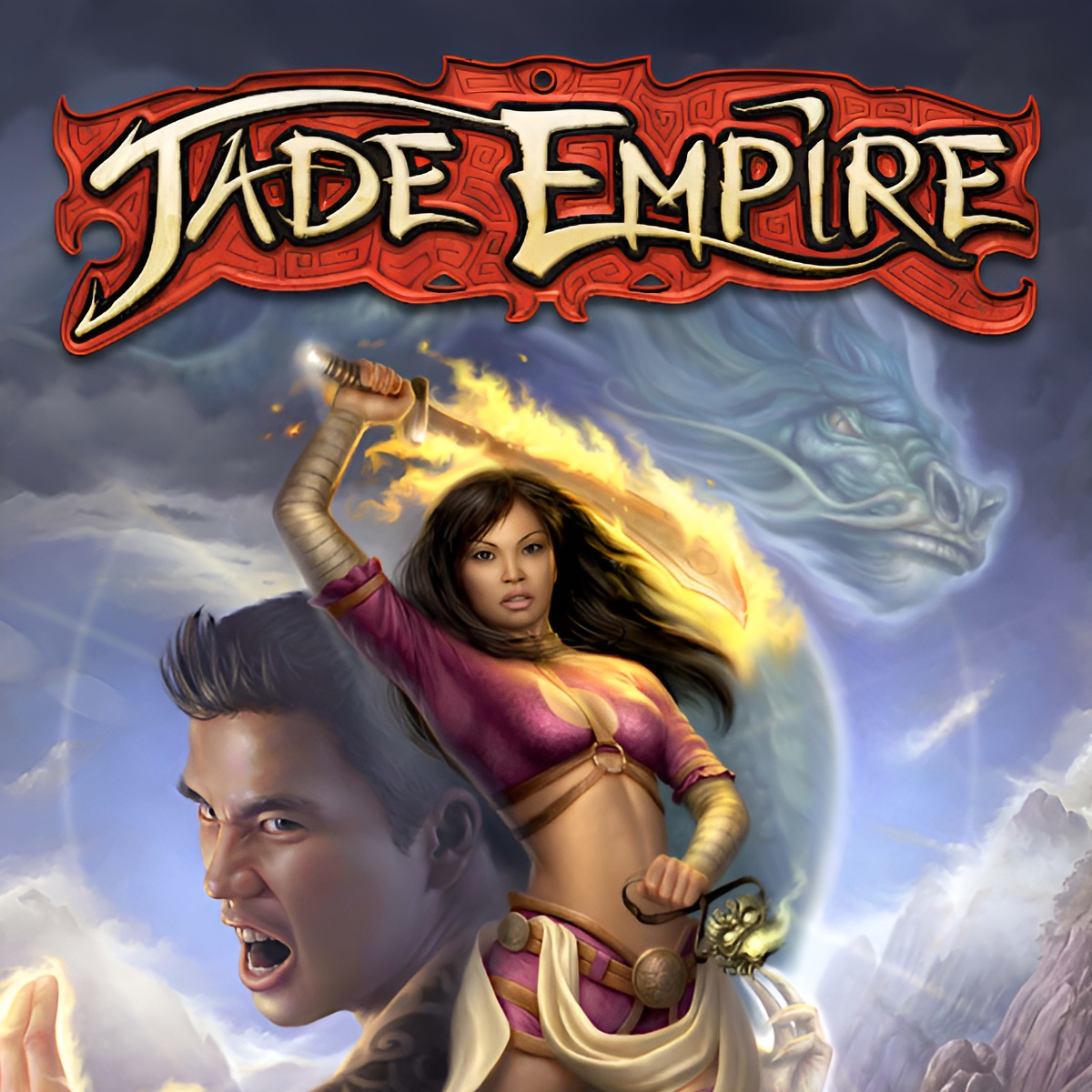
This BioWare bisection is made easier by the company's 2007 acquisition by EA and can sort of help frame the company's transition period over the years. Perched directly on the fence between old and new is 2005's Jade Empire, which has a lot of early BioWare style but ditches the company's traditional preference for turn-based combat in favor of real-time action. It was received well at the time, but with the Xbox 360 looming later in the year, it's no wonder that many refer to Jade Empire as the company's "forgotten" title—an unfair fate for a quite enjoyable game.
Jade Empire had been in the minds of BioWare's founders since the company began, and it was always considered a dream project in the team's eyes, even though development didn't officially start until 2001. This was the game they passed up the Knights of the Old Republic sequel to make, after all, so their passion shouldn't be understated. And in the game's worldbuilding and set design, that passion comes through in spades. The influence of Chinese mythology in general and the Wuxia genre in particular makes for an impressive (and impressively unique) fantasy setting, and while it may not seem to mesh well with its steampunk-inspired crossover, Jade Empire proves that theory emphatically false.outshine them all. Packed within a couple of hours of playtime, Portal serves as an example of a truly impressive implementation of physics and as a permanent icon of its generation.
| Played For | 13h 54m |
|---|---|
| Completion Type | Main Game, Some Sidequests |
| Favorite Technique | Storm Dragon |
| Fun Fact | Played as Radiant Jen Zi |
Even the game's hazy graphics feel like they're in service to add to the game's mysticism. The titular land is a beautifully developed original landscape that has enough variety in its hub areas that you rarely feel like your time is wasted while simply exploring. There are interesting lore pieces and lovely visual design behind almost every corner, and while it's unfortunate it needs to be said at all, Jade Empire is an incredibly respectful and nuanced take on the Wuxia genre that (and it's unfortunate this has to be said) was all too uncommon for a western studio in 2005.
The level of detail that makes immersion in Jade Empire so seamless is the game's impressive amount and variety of side quests; the best in the genre offer side content that is analogous to the main story, and even if you aren't advancing the plot, it never feels like you aren't doing what you should be. Jade Empire's side content is woven so well into the game's setting that it feels like you're gaining a further degree of connectedness with each one you complete. The game's main story is fine enough—it has some impressive moments and surprising twists—but it works best when it's moving in parallel to so-called superfluous content.
This is also why the game's last few hours feel like they drop the ball a bit and end up going on for too long. Jade Empire is a relatively linear game even at its most open, but its last few chapters have nothing to do but follow the objective, and there are several moments where you can feel the game is trying to stall for time. Ultimately, if a game is going to have a fake-out final ending section, only for it to continue for another few hours at least, that final content needs to act fast to recover momentum and maintain investment, and Jade Empire's last few chapters feel a bit like crawling to the finish.
As you would expect from a Wuxia-inspired title, the main source of combat here is through martial arts, and overall, it's a decent enough implementation for what was largely BioWare's first real-time action system. There are a lot of styles for changing up your approach to different enemies, and switching between them to pull off combos is pretty satisfying.
You'll probably have to force yourself into trying new styles out, though, since combat can be broken pretty easily with the right fighting style—Storm Dragon turns most encounters into stunlock fests, for example. It also features the return of the morality system from KOTOR; its implementation in Jade Empire is sloppy at best (though admittedly hilarious at times) as your choices in every interaction can be narrowed down to "typical RPG protagonist" or "literally Satan."
Given that it's been a few decades—and a new owner—since Jade Empire hit store shelves, it's unlikely that we will ever see a proper sequel, even though devs at BioWare have commented multiple times on its franchise potential. It would be interesting to see what 20 years of technological growth and shifting RPG landscapes would do to a potential follow-up. But there's a certain romance in Jade Empire remaining a niche title in BioWare's catalog, with all its growing pains intact; continuously forgotten and rediscovered, just like the many myths and legends that inspired its creation.