 Hi, I'm Palipilino!




PC
12/20/2025
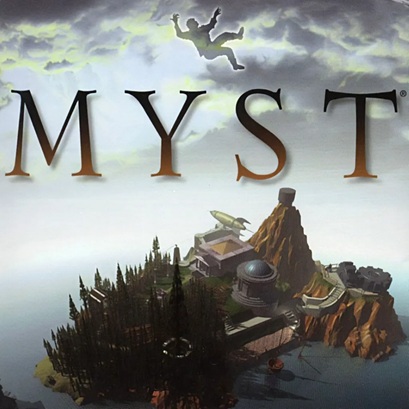
There's a selection of games that, for one reason or another, have garnered a reputation that makes them feel almost larger than life. That's certainly how some people see Myst, the 1993 adventure-puzzle game from developers Cyan. To say that it was impactful is an understatement; it was instrumental in revitalizing the adventure game genre, helped CD-ROMs become the de facto method for playing PC games, topped sales charts for nearly a decade, and inspired a whole heap of "Myst-likes."
It is without a doubt one of the most influential games ever made. But when it's brought up by many potential first-time players, it's often spoken of more out of fear than out of reverence. Some reviews on this site even echo that sentiment—given the reputation of some 90s adventure games for their seemingly incomprehensible puzzles, combined with the already abstract nature of Myst on its surface, it's understandable that it became, to the uninitiated, a sort of stand-in for the archetypal frustrating puzzle game. An unfair reputation, indeed, for one of the most striking, wildly imaginative games of its era.
Even players who aren't fans of Myst's puzzles will usually concede that the game's aesthetic is top-notch. And, well, yeah, it is. From the instant you are (literally) dropped in the world of Myst, it captivates you with its liminal design and uncanny pre-rendered backgrounds. Myst is downright...well...mystical. It fascinates with detail and enthralls with its fantastically creative premise. Traveling to other Ages via magical books is an inspired idea, and it never loses that charm of a true otherworldly adventure.
| Played For | 5h 58m |
|---|---|
| Completion Type | Good Ending, All Pages |
| Favorite Age | Mechanical |
| Fun Fact | I was terrified of this game! Now it's one of my all-time faves! |
Each Age is evocative and timeless, practically begging you to explore them—all while filling you with the slightest sense of uneasiness. Cyan should also be commended for their ability to incorporate visual worldbuilding into Myst, knowing just how much to add while also leaving enough gaps to encourage players' imagination and creativity. Even if everything in each location will aid you with solving a puzzle, it does all feel placed deliberately. And the way each Age blends so seamlessly with its puzzles and interactions makes for a world that's all too easy to get lost in.
Speaking of puzzles, let's head things off at the pass; Myst is a fantastic game largely because of, rather than in spite of, its puzzles. This is a game that is utterly committed to rewarding observation and engaging with the world around you. It's almost counterintuitive; for a game that visually seems so surreal, its world and how you interact with it operate with a logical consistency that many of its contemporaries lacked.
This is probably one of the most famous games of its type where a guide would not only be superfluous but perhaps even actively harmful to your overall enjoyment; the game tells and shows you everything you need to know, and all it asks of you in return is patience. And because every puzzle feels like something you are discovering on your own, they are so frequently immensely satisfying to complete. (And, sure, the game's reputation probably adds an extra layer of satisfaction there, too.)
In fact, Myst's biggest drawbacks are actually some of its simpler puzzles. The biggest offender is the notorious Selenitic Age maze, where frustration stems from its sheer length rather than anything else. Even if you did manage to pick up on the sound cues (which relies on having completed a puzzle from another Age, in a game where there is no predefined order of which Age to go to first), it's still a lengthy process, compounded by the fact that you can only hold 1 page at a time, ensuring you must navigate it twice. Even if you're traveling blindly, it's not hard...it's just a bit annoying. Truly, the hardest parts of Myst are when you have to locate a couple of secret passages, which can be pretty visually indistinguishable and end up feeling more like eye tests than puzzles.
But for a title that is over three decades old, the most appropriate way to describe Myst would be refreshing. Even after inspiring a myriad of copycats and imitators, Myst retains a sense of style and wonder all its own. Tired comments about this game having aged poorly can be immediately dismissed out of hand; it is perhaps one of the most enduring video games ever made, and it's hard to see that ever changing. Myst would go on to create a legacy—multiple sequels, literature, and media spinoffs—but it all started here, with a wildly fanciful concept, carried out expertly, in what would be Cyan's very first full game.
It has stumbles along the way sometimes, sure, but executes its dreamlike vision with such panache that they are easily overlooked. And for an early 90s point-and-click adventure, it remains shockingly accessible. So if you, too, have found yourself intimidated by this iconic, abstract, visionary title based on what you might have read from others... Well, take a lesson from Myst, and don't believe everything you see in a book.