 Hi, I'm Palipilino!



PlayStation
12/18/2025
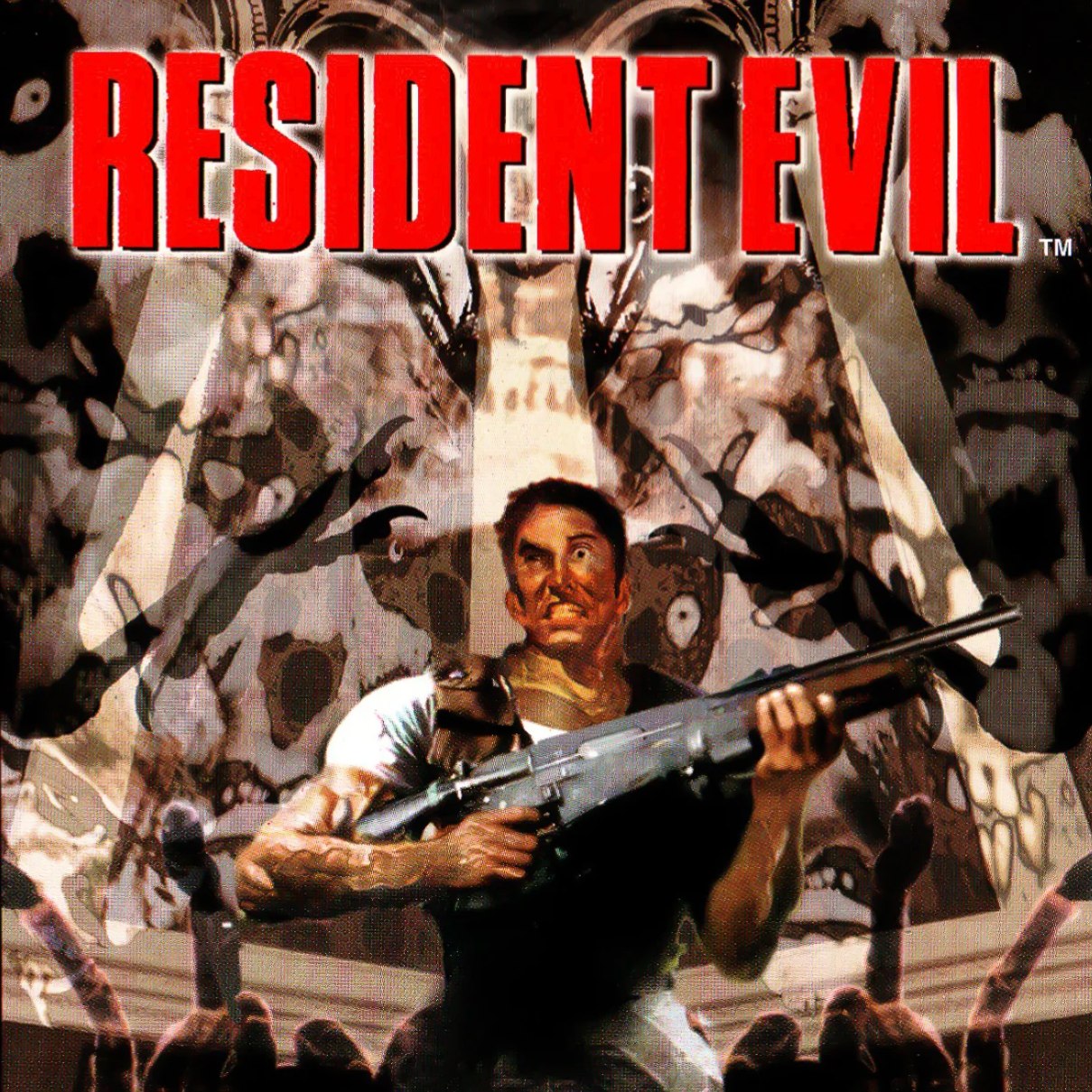
There's no doubt that Resident Evil—as in, the 1996 PlayStation title—did not invent the concept of the survival horror game. It very publicly took inspiration from a previous Capcom title, Sweet Home, and also notably shifted from a first-person 3D game to a fixed-angle camera setup after its director became aware of Alone In The Dark. It is, though, very likely the first game to outright use the phrase, prompting you with "You have once again entered the world of survival horror."
And if it didn't invent the genre, it certainly popularized it; Resident Evil would go on to spawn a massively successful long-running franchise, bring horror-adjacent games into the mainstream, and basically become the definitive example of a horror-type game for a large share of the gaming community. The series certainly has a lot to thank its debut for. Its macabre atmosphere and environmental storytelling and puzzle-solving immediately became established attributes of Resident Evil, and it's as good a place as any to start with the series.
For those who got into the series through its most popular title, Resident Evil 4, there are some unique aspects of the debut that might take some getting used to. This is much more of an atmospheric puzzle/adventure game than it is an action one, and there are many times when you're probably better off not engaging with enemies and simply running past them. The game's controls are not all that suited to combat, anyway, so it's mostly for the best; Resident Evil puts most of its chips into its setting, to great effect.
| Played For | 7h 23m |
|---|---|
| Completion Type | Jill & Chris Ending |
| Favorite Weapon | Assault Shotgun |
| Fun Fact | Don't open that door! |
The haunted mansion-type setting is a staple of classic horror, and the game's pre-rendered backgrounds really go a long way in making it feel just as creepy and dark and foreboding as you'd expect. The fixed-angle cameras and the game's movement controls may take a bit of getting used to for some modern players, but they complement the game stylistically in a big way by making things feel just a bit more off-putting.
It's definitely not built for combat though, and if you're playing the American release, you should definitely opt for the Director's Cut, which adds in the auto-aim function that the original Western release omitted, for some reason. That's kind of a trend with Resident Evil, in fact; you shouldn't go in exactly blind. You're probably going to be mindful of your ammo usage to make sure you have enough for some choice boss fights. Ditto with ink ribbons, which you certainly don't have to hoard but also shouldn't use too liberally—you use them to save the game, and once you're out, you're out.
Most importantly for first-time players would be to select Jill as the playable character, as she gives you two more inventory slots and reduces a bit of running around. Even still, inventory concerns are probably the biggest thing holding Resident Evil back, if for no other reason than that they encourage a lot of backtracking and guesswork as to what items might be needed. It doesn't make the game harder—all the game's puzzles are pretty simple, you only ever need 1 weapon at a time, etc.—it just makes it feel like it's a lot longer when you're constantly running back to a lockbox to swap one item out at a time.
It's also sort of infamous for its door animations, which play each time you enter a new room. It's kind of annoying, but it was a necessity for the hardware to produce a game that looks this good, so it's mostly forgivable. It can even add a layer of suspense to exploring a new part of the mansion, particularly when new enemies are introduced. Resident Evil is not a particularly scary game, but it does create a fair degree of tension, particularly as a result of its design philosophy—you may find yourself on the brink of death, far from a typewriter, and with a dwindling amount of bullets left.
Do you try to make a break for it and outrun the monster in your immediate path, or do you take them down, hoping that you won't encounter more until you're safe? These moments are Resident Evil's bread and butter. Sure, it may be annoying to lose a lot of progress, but that's just a result of the game so often keeping you on the edge of your seat.
Resident Evil would go on to, in the very next console generation, receive a remake (often referred to as REmake) that would introduce it to a whole new set of fans and is by many considered to be the definitive version of RE1. It may very well be. But don't take that as a sign that Resident Evil's PS1 debut is not worth looking into. It's a glimpse into the beginning of survival horror's most enduring series and an impressive example of the phrase "limitation breeds creativity." And sure, some of its drawbacks may make you yearn for a more "modernized" title, but it presents a unique atmosphere and imparts a unique feeling of uneasiness that, for better or worse, has sort of been optimized out of game design. A lasting reminder of both what we've lost and how far we've come.