 Hi, I'm Palipilino!

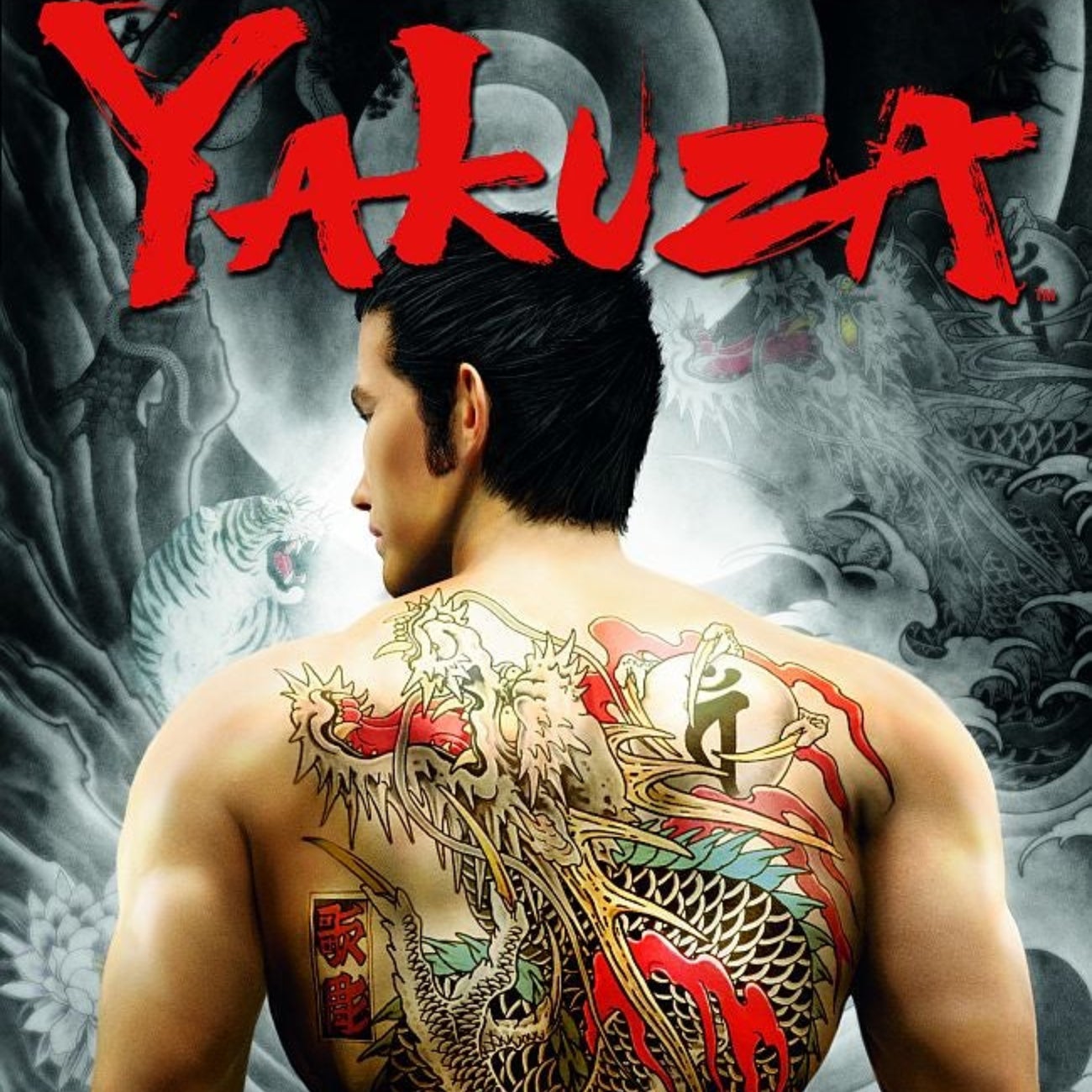


PlayStation 2
4/26/2025
When Sega was gathering developers for what was initially called Project J, the team they ended up with could probably be identified as the cliché of a "ragtag group of misfits" that's a trope in a lot of movies and TV shows. That's not to call into question the talent of the team, though. Rather, for those working on what would become the debut of the Yakuza series, most of its core developers didn't have much experience with anything like the more mature and gritty drama that producer Toshihiro Nagoshi envisioned.
This was viewed as an advantage, though, and if the long-running and successful Yakuza/Like a Dragon franchise is anything to go by, it was a wise decision. Decades beyond its debut and more than a dozen games in, the original 2005's Yakuza—even in the face of its 2016 remake—still stands out as the preferred starting point for so many looking to delve into this legendary series, simultaneously demonstrating a solid foundation and a not-yet-fully-realized concept.
Let's get one thing straight right out of the gate—Yakuza was praised upon release for its depiction of a more serious story that depicted a seedier side of Japanese culture that hadn't really been explored in video games before. While the game has a lot of the trademark humor the series would become known for, its main story moments are taken mostly seriously. It does perhaps favor a bit too much exposition, and some moments lean a bit too far into soap opera, but it still has some effective moments and generally feels like a well-measured affair.
| Played For | 19h 14m |
|---|---|
| Completion Type | Max Stats, 29 Substories, 63% Coin Lockers |
| Favorite Chapter | Chapter 3: Funeral of Fists |
| Favorite Substory | The Boxing Gamble |
This nuance is completely thrown out the window if you have the misfortune of experiencing the game's English dub. Indeed, the only mainline Yakuza game to receive an international voice-over will have you re-examining your definition of bad voice direction and poor translations in video games, and while it often strays into "so bad, it's good" territory, mostly it's just so bad, it's bad. Even those dedicated to experiencing a game on original hardware would be better served opting for the mod, which reintroduces the Japanese dialogue on NTSC and PAL versions.
When you're not progressing through the game's story, you're likely to be roaming the streets of Kamurochō. Being the first in the series, there isn't as much variety in the side content as you'd get from more modern titles, but it's still quite engaging. The game's aesthetics are a big reason as to why many prefer the PS2 title, as the hazy, neon-filled streets of Shinjuku provide a great backdrop for your adventures. The game's fixed camera angles also add a stylistic uniqueness to exploring its alleys, offering credence to the adage that limitation breeds creativity.
And frankly, while the diversity of side quests is relatively limited, the amount of them is still staggering—and Yakuza is most enjoyable when it feels like you're discovering everything naturally. Due to some pretty harsh timing windows, lots of these side quests are pretty easy to miss, but while that may make the game borderline impossible to 100% without a guide, it makes the average gameplay feel incredibly natural. It's almost inevitable that one of your favorite Yakuza moments will be from a side story that you just happened to get invested in.
Perhaps the only problem is that, with gameplay variety so limited, Yakuza's combat is far too limited to carry a full game. That certainly doesn't mean it's not fun in moderation; bowling over large groups of enemies or utilizing the strangest items you can find as weapons can always provide some enjoyment. But there are a lot of random encounters in this game, and even if you're talking about strictly necessary encounters, it's still going to get pretty monotonous by the game's end.
There just isn't enough action, enemy variety, or combo potential here to make repeated encounters feel anything other than routine. The slow loading times for each fight you get in don't help with the feelings of monotony, either. Some boss fights do just enough to introduce some unique elements, but not enough to make the combat feel anything like diverse, and none are as difficult as the constant battle against Yakuza's true final boss—its camera.
It shouldn't be a surprise that one of Sega's main promises for Yakuza 2 was an improved fighting system. Those looking for a more modern system may prefer Yakuza Kiwami, the 2016 remake. But there's always something appealing about introducing yourself to a big video game franchise on the ground floor, and Yakuza's 2005 debut is certainly a flawed but enjoyable enough entry point to fulfill that desire, while allowing your experience to grow alongside the series. Even though some improvements in its formula seem obvious even without the aid of hindsight, there's an alluring rawness to Yakuza that's fitting of its developmental roots. But if you want to take this game seriously at all, please just save the dub for a "best of" compilation video.