 Hi, I'm Palipilino!



PlayStation 2
9/26/2025
The Yu-Gi-Oh trading card game might have only reached international shores for two years by 2004, but it had already produced quite a number of video game titles by that time. Many were Japanese exclusives (where the manga and trading cards had already become quite popular), but in the span of less than five years, there were already nearly two dozen video games bearing the Yu-Gi-Oh title, spread out across basically every major contemporary console.
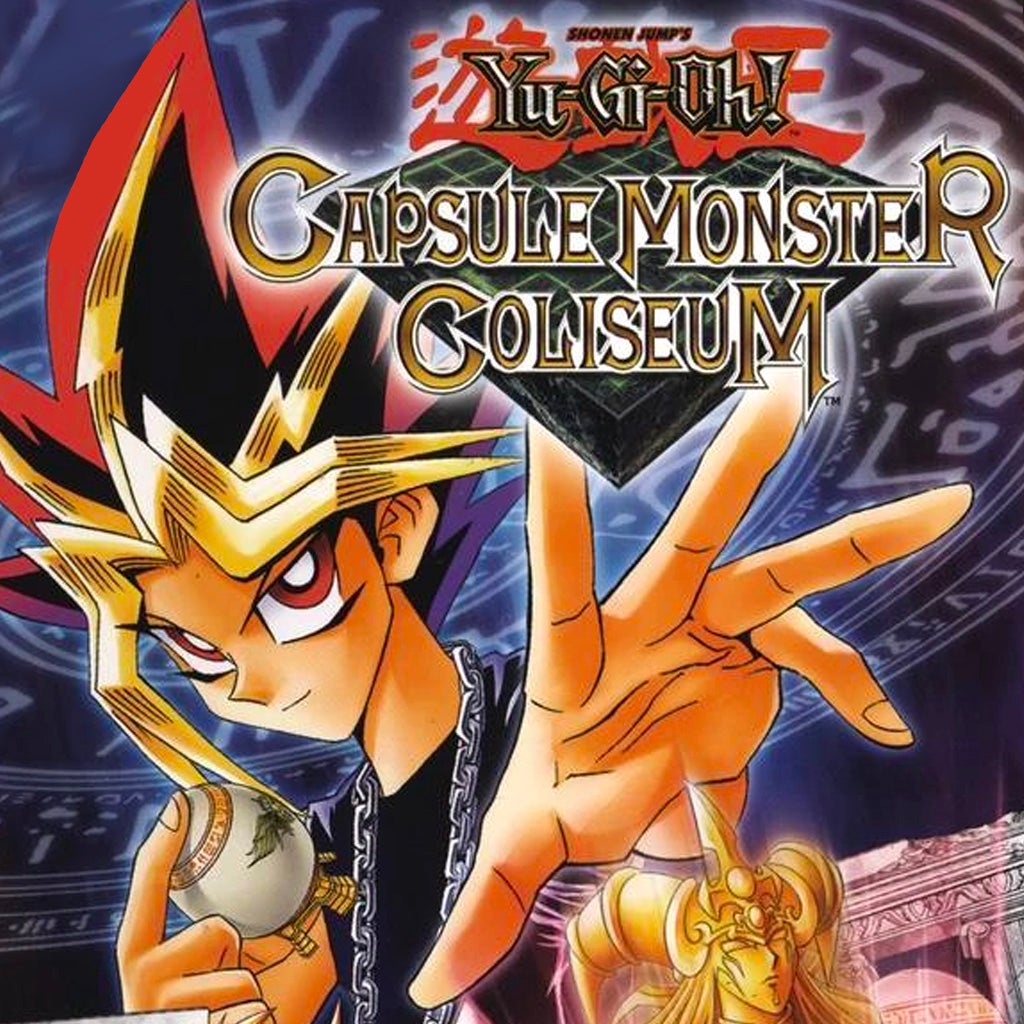
Such a high level of consistent production could seemingly be explained by the modular nature of TCG-based video games. But especially after YGO was introduced to a worldwide audience, its games started to trend towards the more ambitious—there were still the by-the-numbers games that basically just recreated the TCG in video game form, but a healthy amount of them would also look to challenge the conventions of what you'd expect from a YGO game. This would include an RTS RPG, a couple of story-driven card games with their own rule sets, and a few grid-based SRPGs—the last of which would be titled Capsule Monsters Coliseum.
SRPGs were a sort of favorite for Yu-Gi-Oh spin-offs at the time, and while Duelists of the Roses would certainly be the most successful venture, Capsule Monster Coliseum is probably the most pure. For easy distinction, it would probably be accurate to refer to DotR as a YGO game with an SRPG skin, whereas CMC is the opposite. And it provides some pretty interesting options that even buck the trend of its genre's mainstays—each monster has a unique pattern for both movement and attack that prioritizes proper positioning and forethought. This makes even initial unit placement important, as monsters with diagonal or square-based attack patterns will have places on the map they can never interact with. It's a pretty unique concept, and keeping track of your enemies' movements and attack potential is much more engaging than simply measuring out how many tiles you are away from them.
| Played For | 13h 27m |
|---|---|
| Completion Type | Standard Ending, 79% Monsters Found, Wind Symbol |
| Favorite Monster | Dark Magician Girl |
| Favorite Arena | Sacred Street |
Capsule Monster Coliseum might not have the, ahem, narrative hook that you might have hoped for if you were a fan of the anime or manga, but it makes up for that with some seriously impressive presentation. Individual animations are back from DotR, but even more impressive is CMC's full voice-acted cast and its impressive detail of design for each of its maps. These aren't just an assortment of tiles with different terrain types; these are fully 3D, fully customized arenas that reflect the characters you are dueling and complement their units.
Some even have turn-based effects that will alter the landscape and—in some instances—completely alter the map, forcing a quick change in strategy. These are visually and thematically engaging but, admittedly, are sometimes unclear on what effect they are actually having on your monsters. Capsule Monsters Coliseum and the phrase "unclear" are certainly more than just acquaintances.
There are actually a lot of mechanics here that, while glossed over in the game's manual, are not referenced at all in the game until you actually unlock them. Monsters can fuse, for example, after reaching certain levels and while being next to each other on the board. They can also evolve into new forms of monsters, sometimes only by standing on certain tiles. Some even unlock special effects. Without prior knowledge of these mechanics, though—heck, even with it—there's a high chance that you might play through the entire campaign without encountering many of them.
Opponents will almost never get the chance to evolve or fuse monsters, and the odds you see them use a monster's special ability are slim as well. What could have been reserved for particularly epic fights or rivalry matches is heavily underutilized, more frustratingly so as the game is really lacking in delivering a proper challenge. If you were a new player and didn't know about any of these mechanics, you'd still beat the game easily enough; with them, the game loses any need for a nuanced strategical approach. It very often feels like the player is the only one engaging with the game on a level beyond the most basic of grid-based RPGs. Combine that with some pretty lengthy load times and a general leisurely pace, and Capsule Monster Coliseum offers a somewhat unbalanced experience.
If you're a Yu-Gi-Oh fan, of course, most of those issues can be hand-waved away in favor of getting to see your favorite monsters take the field in a unique attempt at a deeper game. (At the very least, they'll probably appreciate all the fusions in CMC being TCG accurate.) It's an odd one; when you look at everything the game has to offer, it feels pretty robust, with a large selection of monsters to choose from and some impressive set design. They just rarely feel like they are used to their full potential (or, worse yet, addressed at all) to make Capsule Monster Coliseum feel like a totally finished article. An ambitious, distinctive title in the YGO chronology with heaps of unrealized potential.